MSI’s latest beta BIOS doesn’t just add support for another DDR5 memory module.
Chinese RAM proves itself once again.
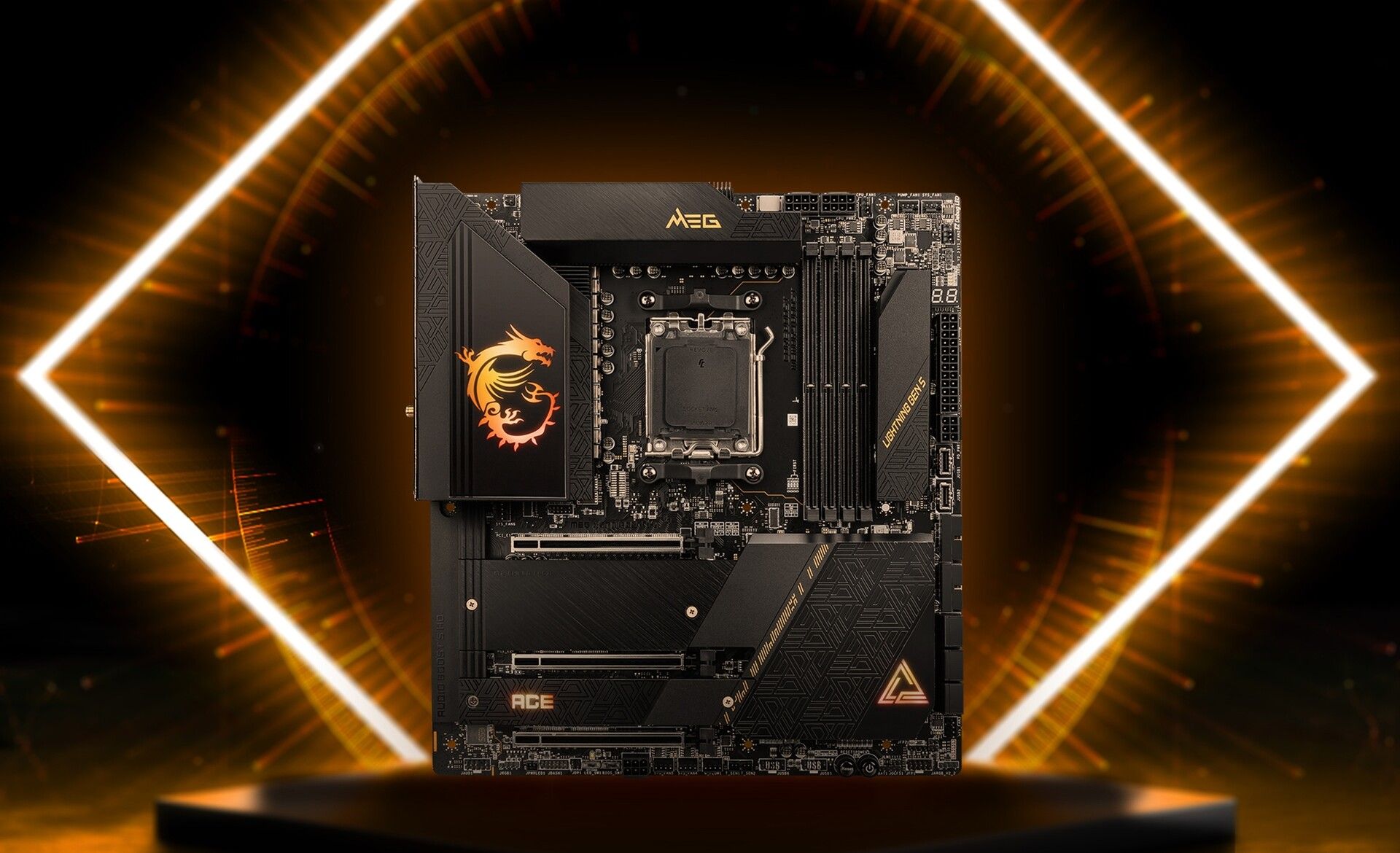
More Than Just Another BIOS Update
Hidden in the release notes is something far more interesting: official validation for DDR5 memory built using chips from Chinese DRAM manufacturer CXMT. On compatible AM5 motherboards, MSI has validated speeds up to DDR5-8200 on dual-DIMM boards and DDR5-7200 on four-DIMM configurations.
That may sound like a routine compatibility update, but it signals that another memory manufacturer is finally becoming a serious player in the consumer PC market.
Breaking the Three-Company Monopoly
For years, the consumer DRAM market has effectively revolved around Samsung, SK hynix and Micron.
While module brands may look different on the shelf, the chips underneath almost always come from one of those three companies.
That isn’t necessarily a problem until demand shifts.
AI has dramatically increased demand for enterprise memory and high-bandwidth memory, encouraging manufacturers to focus production where margins are highest. Consumer DDR5 hasn’t disappeared, but it certainly isn’t getting first priority.
Adding CXMT to the mix won’t suddenly transform the market, but it does reduce dependence on the existing suppliers. Even if pricing doesn’t immediately fall, having another credible DRAM supplier should improve supply resilience and create healthier competition over time.
Why Motherboard Validation Matters
The headline isn’t really DDR5-8200.
The more significant news is that MSI is willing to officially support CXMT memory.
Memory manufacturers can produce excellent chips, but without BIOS validation from motherboard vendors, they’re unlikely to see widespread adoption. Compatibility has always been one of the biggest barriers for new entrants.
MSI’s support gives memory vendors greater confidence to build products around CXMT chips, knowing they’ll work reliably on mainstream AMD platforms.
A Small Change That Could Have a Big Impact
Consumers rarely notice changes in the semiconductor supply chain until prices start moving.
This feels like one of those moments that could quietly influence the market over the next few years.
Samsung, SK hynix and Micron will remain the dominant players for some time yet. But if CXMT continues improving its manufacturing process and earns support from more motherboard vendors, DDR5 buyers may finally benefit from another source of supply.
Sometimes the biggest hardware news isn’t a faster CPU or GPU.
Sometimes it’s simply having one more company making the parts everyone needs.